Compare Local Contractors for Safe Limbs Removal Services
Compare local contractors for limbs removal to assess experience, clarify scope, and establish written expectations that meet your property’s specific needs.
Contractors specializing in limbs removal typically handle procedures related to the removal of limbs due to medical necessity, injury, or other health-related reasons. This work often involves careful planning and coordination to ensure the procedure is performed safely and effectively, with attention to the patient's specific needs. When engaging with service providers for this type of work, property owners should clearly define the scope of the procedure, including the extent of the removal, any preparatory steps, and post-procedure considerations. Establishing a detailed scope helps ensure that all parties have aligned expectations and that the work is carried out according to the necessary medical or safety standards.
Defining the scope of limbs removal work is an essential step in selecting a contractor. It allows property owners to communicate their specific requirements and helps service providers understand the extent of the job. Clear scope definition also facilitates comparison between local contractors by providing a basis for evaluating their experience, expertise, and approach to similar procedures. When reviewing potential contractors, property owners should inquire about their familiarity with the type of limb removal needed, their process for planning and executing the work, and how they handle unexpected challenges that may arise during the procedure.
Comparing local contractors for limbs removal involves more than just reviewing credentials; it requires assessing their experience, reputation, and approach to defining and managing scope. Property owners are encouraged to ask for detailed descriptions of past work, clarify what is included in the scope, and confirm how each contractor plans to communicate expectations and progress. It is also beneficial to verify that the service providers are transparent about their methods and to seek references or reviews from previous clients. By thoroughly comparing these aspects, property owners can make informed decisions and select a contractor who aligns with their specific needs and expectations for this sensitive work.
Compare local contractors by outlining priorities, verifying experience, and clearly defining scope and expectations in writing.
- Compare Contractor Experience - Review the backgrounds and project history of local contractors to ensure they have relevant experience.
- Define Scope Clearly - Outline the specific requirements and expectations for the limbs removal service in writing.
- Verify Credentials - Confirm the credentials and references of local service providers before making a selection.
- Set Expectations in Writing - Document all project details, including scope and responsibilities, to ensure clarity and accountability.
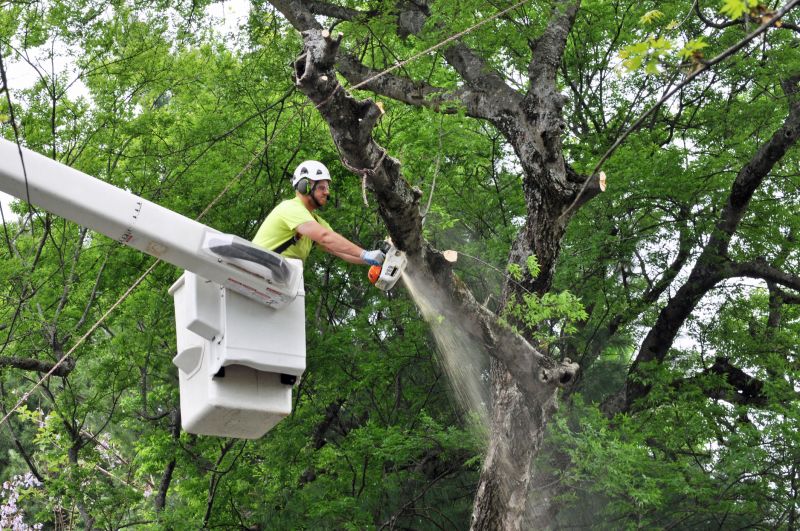
Clearly define your project scope and compare local contractors by verifying experience and setting expectations in writing.
- Verify the contractor’s experience with limbs removal procedures to ensure expertise. - Review the scope of work to confirm all necessary tasks are clearly outlined and understood.
- Compare multiple service providers to evaluate their qualifications and service offerings. - Ensure the contractor can handle the specific requirements of the limbs removal project.
- Check references or reviews to assess the quality of previous work performed by the contractor. - Confirm that the contractor’s experience aligns with the project’s complexity and expectations.
- Discuss and document the project scope, including materials, methods, and responsibilities, in writing. - Clarify what is included and excluded to prevent misunderstandings.
- Confirm that the contractor adheres to relevant safety standards and protocols during the work. - Ensure proper safety measures are considered, even if not explicitly mandated.
- Request a detailed written estimate or proposal that outlines the scope, materials, and work plan. - Use the document to compare services and set clear expectations before work begins.
Compare local contractors' experience and clarify scope to ensure expectations are clearly documented.

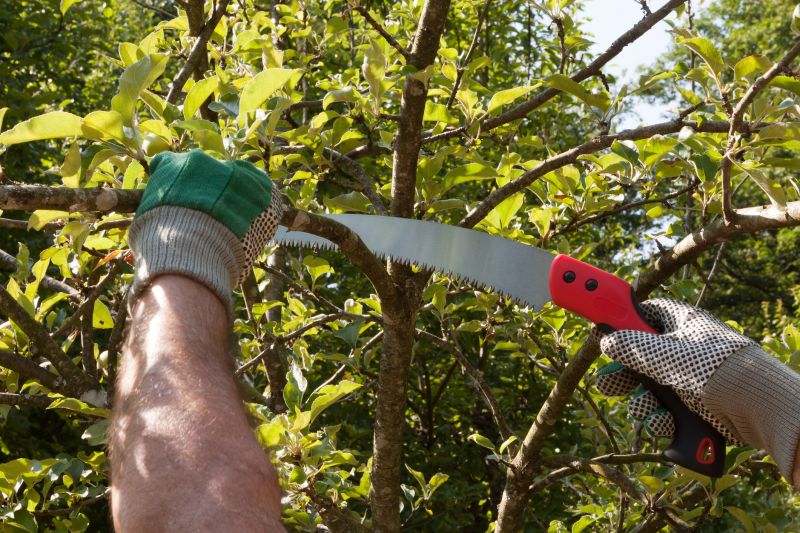

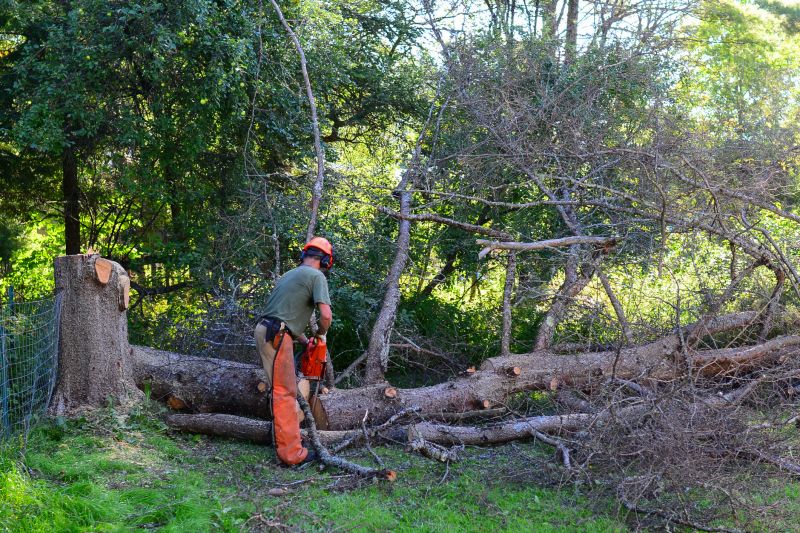
This section guides how to compare local contractors for limbs removal by defining scope, verifying experience, and maintaining consistent expectations.
- Define Scope of Limbs Removal - clearly specify which limbs are to be removed and the extent of the procedure.
- Assess Experience of Service Providers - verify that local contractors have relevant experience with limb removal procedures.
- Establish Detailed Work Expectations - outline the specific steps, techniques, and materials involved in the removal process.
- Confirm Communication of Process and Outcomes - ensure that service providers will provide written descriptions of the procedure and expected results.
- Compare Qualifications and Approaches - evaluate different local contractors based on their expertise, methods, and approach to limb removal.
When comparing contractors for limbs removal, it is important to evaluate their experience with similar projects. Homeowners should seek service providers who have a proven track record in handling limb removal procedures comparable in scope and complexity. Asking about past work can help determine if a contractor has the necessary familiarity with different types of limbs, tree species, and site conditions. Contractors with extensive experience are more likely to understand the nuances involved and deliver results that meet expectations.
A clear, written scope of work is essential when assessing potential contractors. This document should outline exactly what will be done, including the specific limbs to be removed, methods to be used, and any preparatory or cleanup tasks. Having a detailed scope helps prevent misunderstandings and ensures that both parties agree on what the project entails. Homeowners should review these written descriptions carefully and seek clarification on any ambiguous points before proceeding.
Verification basics involve confirming that service providers have the appropriate background and references related to limb removal projects. While licensing and certification are not the focus here, homeowners can ask for references or examples of completed work. Contactting previous clients or reviewing documented project descriptions can provide insight into a contractor’s reliability and quality of work. Verifying these details helps establish confidence in the contractor’s ability to handle the specific requirements of the project.
Evaluating options without discussing prices involves focusing on the quality of the proposal, the clarity of communication, and the professionalism demonstrated by each service provider. Homeowners should compare how well each contractor understands the scope, whether they provide detailed written plans, and if they are transparent about their process. Asking questions about their approach and experience can also reveal how well they might meet project expectations. This approach emphasizes the importance of choosing a contractor based on expertise and clarity, rather than cost alone.
Ask contractors for written scope details to ensure clear understanding and consistent expectations throughout the project.
- Experience and Specialization - What specific experience do the contractors have with limbs removal procedures?
- Scope of Work - How do contractors define and clarify the exact scope of limbs removal services they provide?
- Qualifications and References - Can the service providers provide references or examples of similar limbs removal projects they have completed?
- Materials and Equipment - What materials and equipment do the contractors plan to use, and how do they ensure quality and safety?
- Written Agreements - Are all aspects of the scope, expectations, and responsibilities documented in a clear, written agreement?
What should I consider when choosing a contractor for limbs removal? It is important to compare local contractors based on their experience, expertise, and reputation. Verify their previous work and ensure they clearly define the scope of the project in writing to set proper expectations.
How can I verify a contractor’s experience with limbs removal? Ask for details about their previous projects and seek references or reviews from past clients. Confirm that they have handled similar procedures to ensure competence and familiarity with the process.
What questions should I ask a contractor before hiring for limbs removal? Inquire about their approach to the procedure, how they plan to manage the removal, and how they will handle post-procedure care. Clarify what is included in the scope of work and request a written outline of the plan.
Why is it important to have a written scope of work for limbs removal? A written scope helps define the specific tasks, responsibilities, and expectations for the project. It reduces misunderstandings and provides a clear reference for both parties throughout the process.
How can I compare different contractors for limbs removal services? Review their experience, reputation, and scope of work. Look for detailed descriptions of their procedures and ensure they provide clear, written agreements to facilitate an informed decision.
What should I do after selecting a contractor for limbs removal? Confirm that all project details, including scope, responsibilities, and expectations, are documented in writing. Maintain open communication to address any questions or concerns as the work progresses.
This page has outlined key steps for comparing contractors who handle limbs removal, including defining the scope of work, verifying experience, and putting expectations in writing. Understanding these elements can help in making informed decisions when selecting a service provider. Using the quote form allows for a straightforward way to review and compare options available in the area.
To find a contractor suited to specific needs, consider using the quote form to connect with local service providers. This provides an opportunity to gather information, clarify details, and explore different options before making any commitments. Comparing your choices can help ensure the selection aligns with the requirements of the project.